Round White Blooms
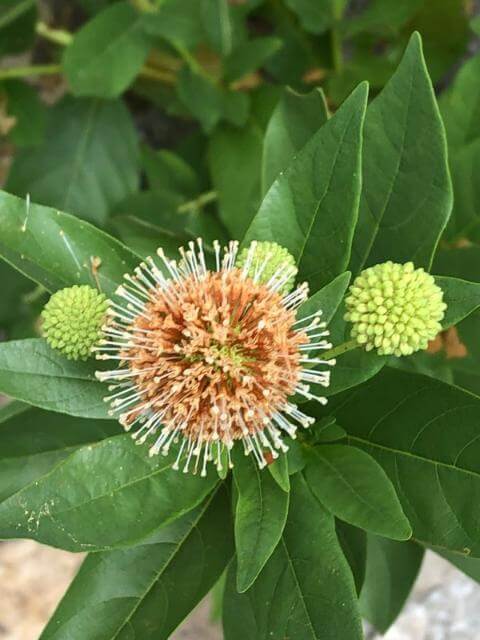
Small flowers form spherical clusters with projecting styles, giving each bloom its distinctive pincushion appearance.
Cephalanthus occidentalis
A distinctive Texas native shrub with round, white flower clusters that attract pollinators and bring seasonal interest to moist garden landscapes.
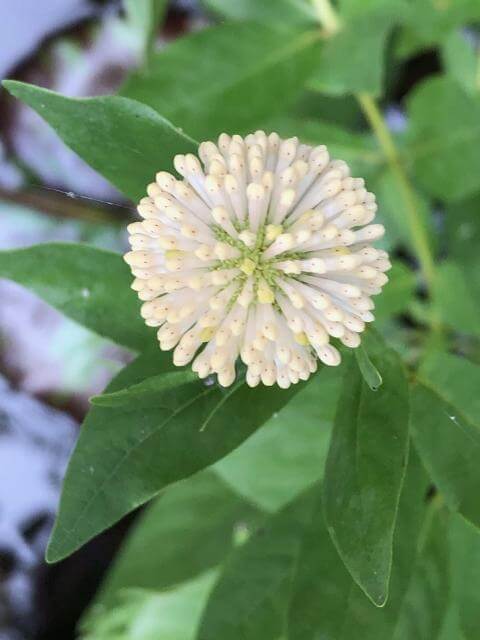
Button Bush, scientifically known as Cephalanthus occidentalis, is a native flowering shrub found in wetland environments across Texas and much of North America.
Its most recognizable feature is its round flower head. Numerous small, tubular flowers form a globe-like cluster, creating the appearance of a white pincushion.
These distinctive flowers attract pollinators during the growing season. The shrub also contributes to wildlife habitat, particularly in areas where the soil remains moist.
Unlike many drought-tolerant plants used in Central Texas landscapes, Button Bush naturally prefers wetter conditions. It can be especially useful around ponds, rain gardens, and other suitable low-lying areas.
From its unusual blooms to its value for wildlife, Button Bush offers several features worth considering for the right garden setting.
Small flowers form spherical clusters with projecting styles, giving each bloom its distinctive pincushion appearance.
This shrub is naturally associated with streambanks, pond margins, wet soils, and other places where moisture is available.
Its flowers provide nectar for bees, butterflies, and other pollinating insects. Its seeds can also support wildlife.
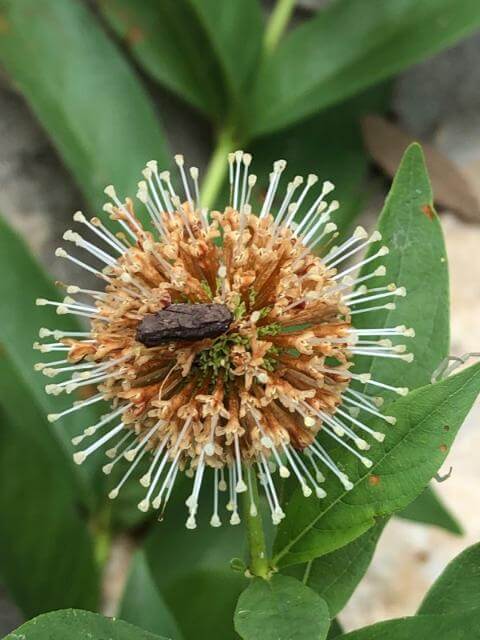
Button Bush is a deciduous shrub in the coffee family, Rubiaceae. It is especially well adapted to areas with consistently moist soil.
Understanding the plant's natural habitat is important when choosing the right location.
Button Bush grows in full sun to partial shade. Flowering is often more abundant where the plant receives good sunlight.
This is a moisture-loving plant. It performs best where the soil remains consistently moist and can tolerate periods of standing water.
Consider Button Bush for pond edges, wetland gardens, rain gardens, or naturally damp portions of a property. It is not an ideal choice for a dry, unirrigated planting bed.
Give the shrub room to develop its natural shape. Occasional pruning can manage size or remove damaged branches, but extensive shaping is not generally necessary.
All seven photographs from the original Texas Organic Home Button Bush gallery.
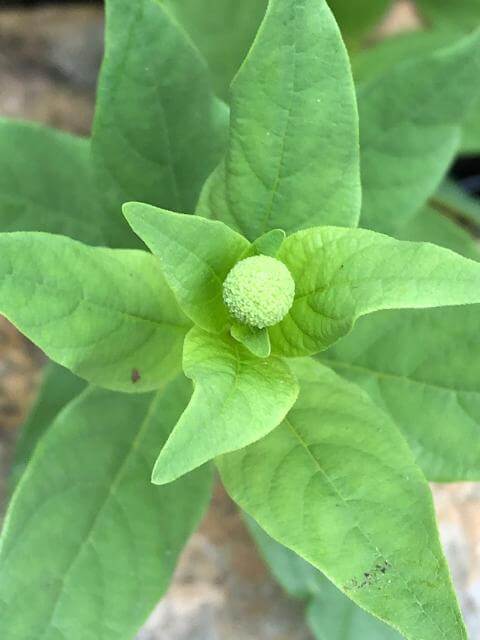
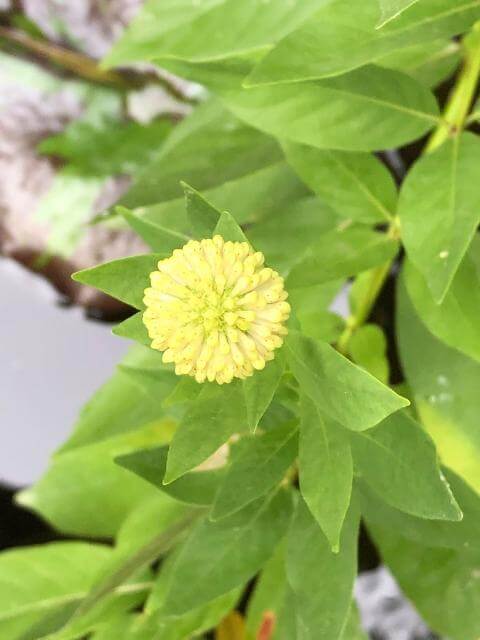
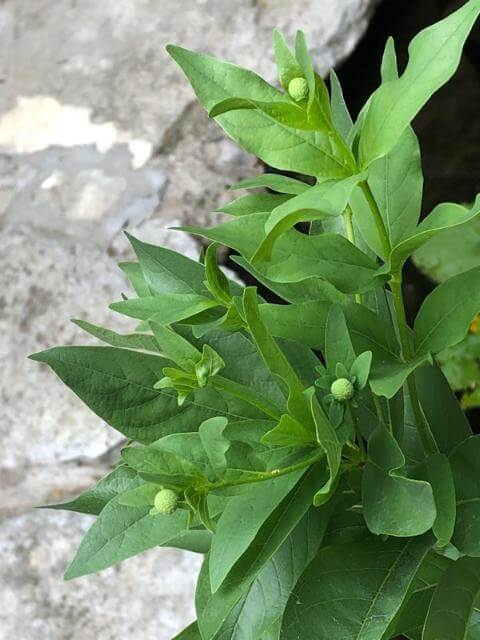
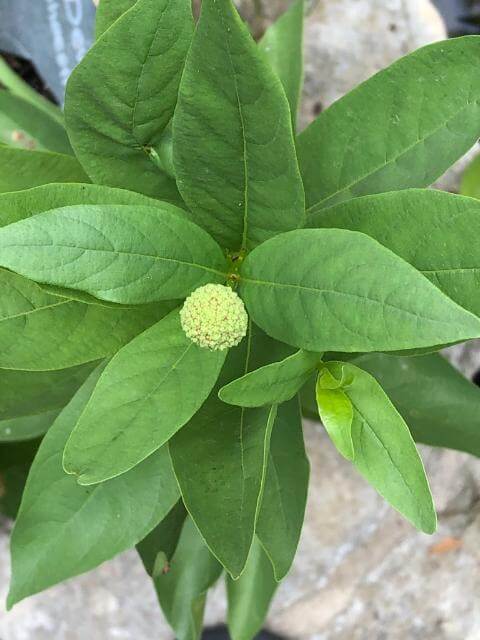
Button Bush is valuable in wildlife-friendly landscapes because its flower clusters provide nectar for a variety of pollinating insects.
Bees and butterflies visit the flowers, while the plant's fruits and seeds can provide food for certain birds and other wildlife.
Its branching structure can also offer shelter in suitable naturalized landscapes.
Selecting plants according to their natural growing conditions helps create a healthier and more sustainable garden. For Button Bush, that means providing adequate moisture and sufficient space.
Whether you are looking for a property with native plants, wildlife habitat, organic gardens, or water-conscious landscaping, Betty Saenz can help with your Central Texas real estate needs.