
Texas Organic Home / Sustainable Landscaping

Pervious
Pavement

Discover how permeable pavement allows rainwater to move through the surface, helping reduce stormwater runoff and support more sustainable landscapes in Central Texas.

Water Conservation Green Landscaping Stormwater Management Central Texas
Sustainable Hardscape Design

Letting Rainwater Return to the Ground.

Pervious pavement lets water penetrate through the paved surface rather than simply flowing across it.

Impervious cover does not allow water to pass directly through the surface. This can increase stormwater runoff.

Traditional concrete and asphalt surfaces often prevent rainwater from entering the soil underneath them.

When rainfall cannot soak into the ground, water may travel across driveways, parking lots, streets, and other paved areas.

Pervious pavement offers an alternative by allowing water to enter designed drainage and storage layers beneath the surface.

The basic difference: Pervious pavement allows water to pass through the surface. Impervious pavement generally sheds water across the surface, increasing the amount of runoff that must be managed.

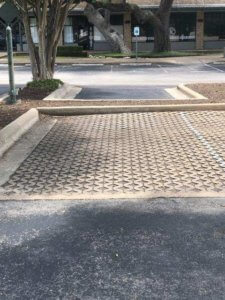
Original photograph of permeable grid paving around a mature shade tree and parking area
Original Texas Organic Home photograph showing permeable grid pavement in a landscaped parking area.
Original Texas Organic Home Photography

Pervious Pavement in Everyday Landscapes.

Pervious pavement can be incorporated into driveways, walkways, parking areas, and other suitable outdoor spaces.

The original photographs on this page show permeable grid paving installed around trees and parking areas.

The visible grid pattern creates spaces that can be filled with permeable materials, allowing rainfall to enter the pavement system.

These designs can provide a functional paved area while helping manage water closer to where it falls.

Successful performance depends on the underlying construction, drainage conditions, and maintenance.

Understanding Surface Drainage

Pervious vs. Impervious Pavement.

The type of surface used around a home can affect how rainwater moves through the landscape.

01 / PERVIOUS SURFACE

Pervious Pavement

Pervious pavement is designed with connected openings that allow water to pass through the paved surface.

Rainfall → Permeable Surface → Stone Storage Layer → Soil or Underdrain

Rainwater can enter underlying stone or gravel layers, where it may be temporarily stored before infiltrating into soil or moving through a designed drain.

This can reduce surface runoff when the system is correctly designed and maintained.
02 / IMPERVIOUS SURFACE

Impervious Pavement

Traditional pavement is generally designed as a dense surface that prevents rainfall from passing directly through.

Rainfall → Hard Surface → Surface Runoff → Drainage System

Water instead travels across the surface toward gutters, drainage systems, or surrounding areas.

When large areas are covered with impervious surfaces, stormwater runoff can increase.

Water Movement / Sustainable Hardscaping

How Pervious Pavement Works.

A properly designed permeable pavement system manages rainwater through multiple layers, not just the surface material.

STEP 01

Rainfall Reaches the Surface

Rain falls directly onto a surface designed to allow water to enter.

STEP 02

Water Moves Through Openings

Water passes through pores, joints, or openings in the paving material.

STEP 03

Gravel Layers Store Water

An underlying aggregate layer can temporarily store water while drainage occurs.

STEP 04

Water Infiltrates or Drains

Depending on soil conditions, water enters the ground or exits through an engineered underdrain.

Important: Not every permeable pavement installation sends all collected water directly into native soil. Some systems use underdrains where site conditions limit infiltration. Heavy rainfall can still exceed the system's capacity.

Sustainable Construction Materials

Common Types of Pervious Pavement.

Different pavement materials allow water to pass through the surface in different ways.

01 / CONCRETE

Pervious Concrete

Pervious concrete uses a specially designed mixture with interconnected voids that allow water to move through the material.

02 / ASPHALT

Porous Asphalt

Porous asphalt is manufactured to contain interconnected spaces that allow rainfall to pass through the pavement surface.

03 / PAVERS

Permeable Interlocking Pavers

These systems use individual paving units with specially designed joints filled with permeable aggregate to allow drainage.

04 / GRID SYSTEMS

Open-Grid Pavement

Open-grid systems use concrete or manufactured grids with openings that may be filled with suitable permeable materials.

This is the general type of pavement shown in Betty's original photographs.

Water Conservation / Green Building

Benefits of Pervious Pavement.

When properly designed for site conditions, permeable pavement can support more sustainable stormwater management.

01 / STORMWATER

Reduce Surface Runoff

Permeable pavement can reduce the amount and rate of stormwater leaving a paved area.

02 / INFILTRATION

Support Groundwater Recharge

Where soil and groundwater conditions permit, infiltration can allow some rainwater to return to the ground.

03 / WATER QUALITY

Help Manage Pollutants

The pavement and underlying layers can capture some sediment and pollutants carried by stormwater.

04 / DRAINAGE

Reduce Surface Ponding

Properly functioning permeable systems can reduce standing water on suitable paved surfaces.

05 / LANDSCAPING

More Flexible Hardscape Design

Permeable paving offers additional design choices for driveways, walkways, parking areas, and landscaping projects.

06 / SUSTAINABILITY

Support Green Site Planning

Managing rainfall near where it falls can complement rain gardens, native landscaping, and other stormwater measures.

Installation / Maintenance

What to Consider Before Installing Pervious Pavement.

Proper engineering, drainage design, and maintenance are essential for long-term performance.

01 / SOIL CONDITIONS

Evaluate the Soil

The rate at which soil absorbs water affects the pavement system design. Some sites require additional drainage measures.

02 / SITE DRAINAGE

Plan for Heavy Rainfall

Storage capacity, overflow, surrounding grades, and drainage connections must be designed for appropriate storm conditions.

03 / TRAFFIC LOADS

Choose the Right Material

Some permeable systems are suitable for pedestrian areas, while others can support vehicle use when engineered for the load.

04 / MAINTENANCE

Prevent Surface Clogging

Leaves, dirt, sediment, and debris can obstruct drainage openings. Periodic inspection and appropriate vacuum cleaning may be required.

Central Texas Planning Note: Local soils, slopes, underground utilities, groundwater protection, and City of Austin regulations can affect whether permeable pavement is appropriate. Permeable paving is not automatically exempt from impervious-cover calculations. Consult qualified designers and local authorities before installation.

Residential Landscaping

Where Can Pervious Pavement Be Used?

Permeable surfaces may be considered for a range of outdoor applications, depending on drainage and structural requirements.

01 / HOME

Residential Driveways

Properly engineered permeable driveways can provide vehicle access while helping manage rainfall.

02 / LANDSCAPE

Garden Walkways

Permeable paving may be used for paths and walkways within residential landscaping.

03 / COMMERCIAL

Parking Areas

Suitable parking areas may use permeable systems to manage rainfall through the pavement.

Sustainable Landscaping Resources

Learn More About Permeable Pavement.

Explore relevant educational resources about green infrastructure, stormwater management, and sustainable landscaping.

U.S. Environmental Protection Agency

Types of Green Infrastructure

The EPA explains how permeable pavements work as part of green infrastructure and stormwater management systems.

Explore EPA Green Infrastructure
U.S. Environmental Protection Agency

Permeable Pavements Best Management Practice

This EPA resource provides information about permeable pavement materials, applications, maintenance, and stormwater benefits.

View EPA Pavement Guide
City of Austin

Green Stormwater Infrastructure

The City of Austin discusses permeable pavement alongside other green stormwater design practices, including bioswales and water-conscious landscaping.

View City Planning Resource
Texas Organic Home

Rainwater Harvesting

Learn more about rainwater collection, storage systems, water conservation, and sustainable home design in Central Texas.

Explore Rainwater Harvesting
Texas Organic Home / Original Article

Understanding Pervious Pavement.

Betty Saenz's original article explained the fundamental difference between pervious pavement and impervious cover.

Pervious surfaces allow water to penetrate the pavement, while impervious surfaces prevent direct infiltration and can increase stormwater runoff.

All four original photographs have been retained to illustrate the use of permeable grid paving in an outdoor landscape.

Additional information about paving materials, drainage, construction, and maintenance is included for educational purposes.

Texas Organic Home

Explore Sustainable Living in Central Texas.

From water-conscious landscaping and green building to energy-efficient homes and organic lifestyle properties, Betty Saenz can help you explore real estate opportunities throughout Central Texas.