



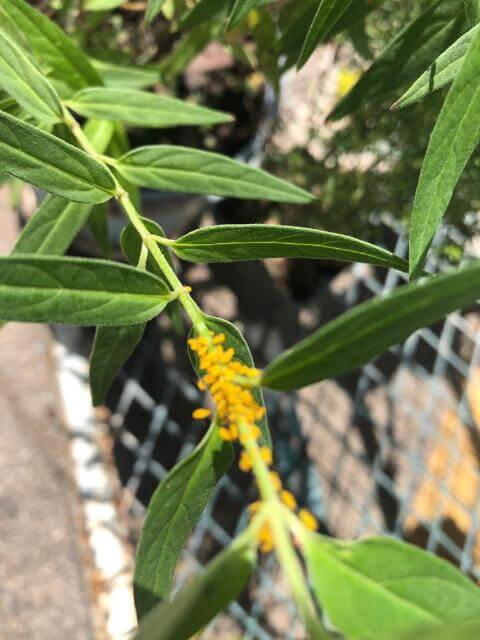
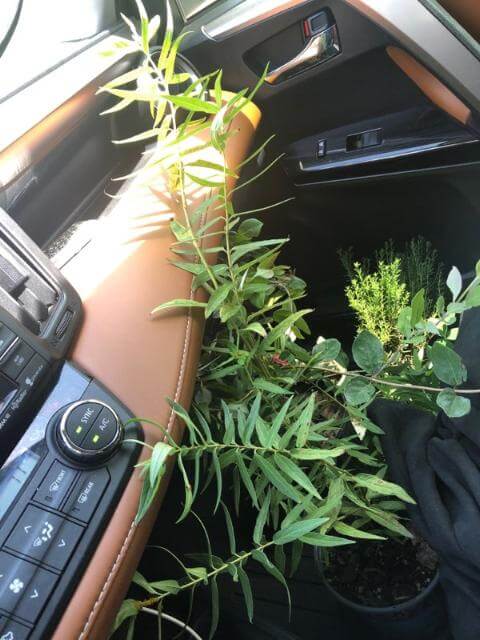
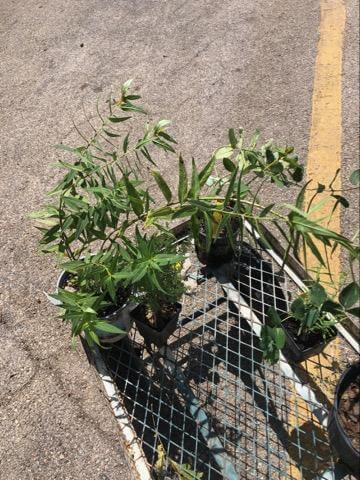
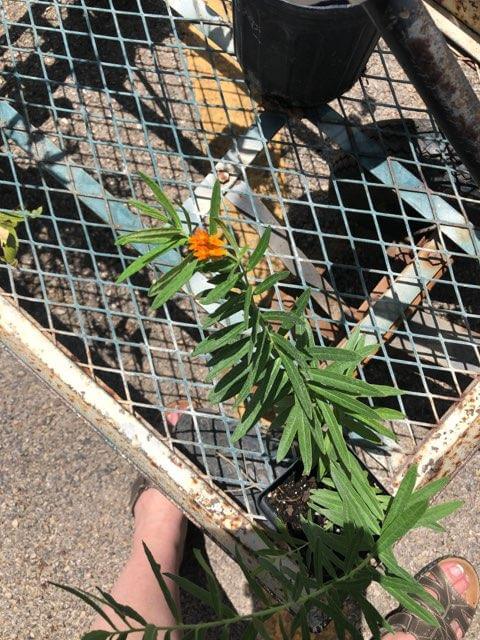
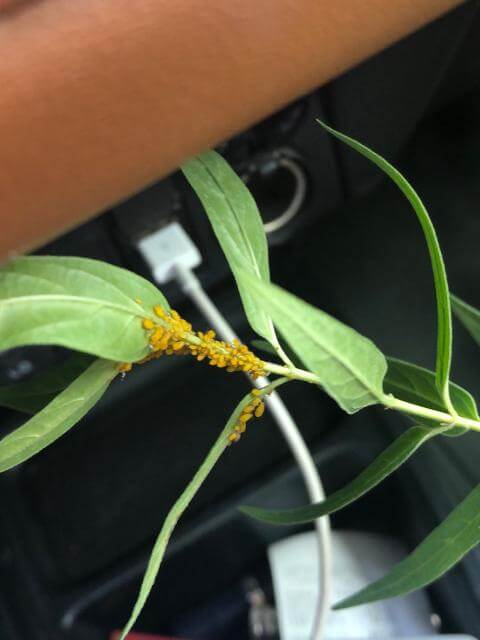
I have mentioned this in my blog before, but just bought another to put in the pond in a pot next to the Buttonbush. This one has beautiful pink blooms


For more great information on milkweed species click here to visit Wildflower.org and read up on what they have to say about these native species!
You can also read more about Gardens for Wildlife here
The Austin Texas area is a great place to live if you like a healthy lifestyle! There is plenty of nature to enjoy as well as restaurants and markets that carry Vegan and Vegetarian options.
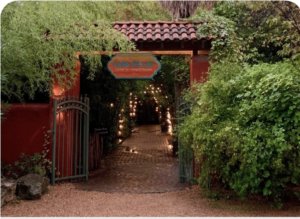




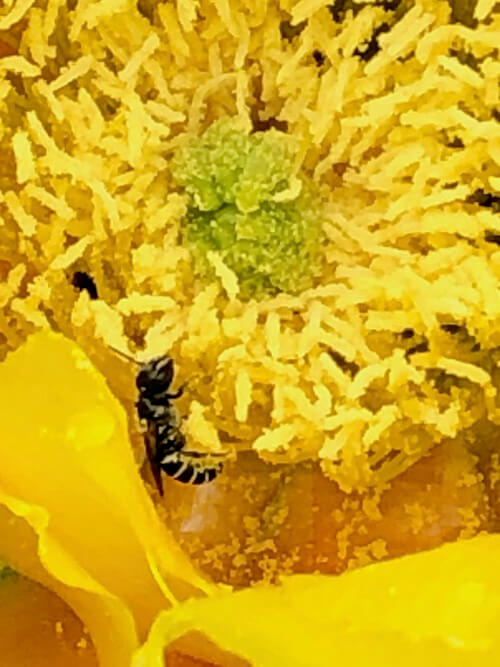
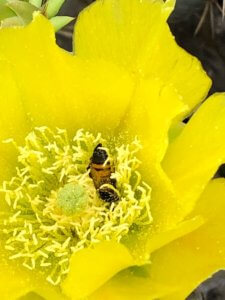
We all know about the homeless pet population. What about homeless wildlife? Their homes are being scraped away every day. How would you feel if you were asleep in bed one night and a bulldozer came and scraped your and your kids and your home and yard into a pile that was loaded in a dump truck and taken to the landfill? That happens everyday with wildlife. We can each make a difference by restoring our yards to what Texas once was and providing nesting places and homes for wildlife. Going a step further, why not contact your City Council, Mayor and Legislators and implore them to save habitat. There are ways to build homes and commercial buildings that works with wildlife and not against these innocent creatures.
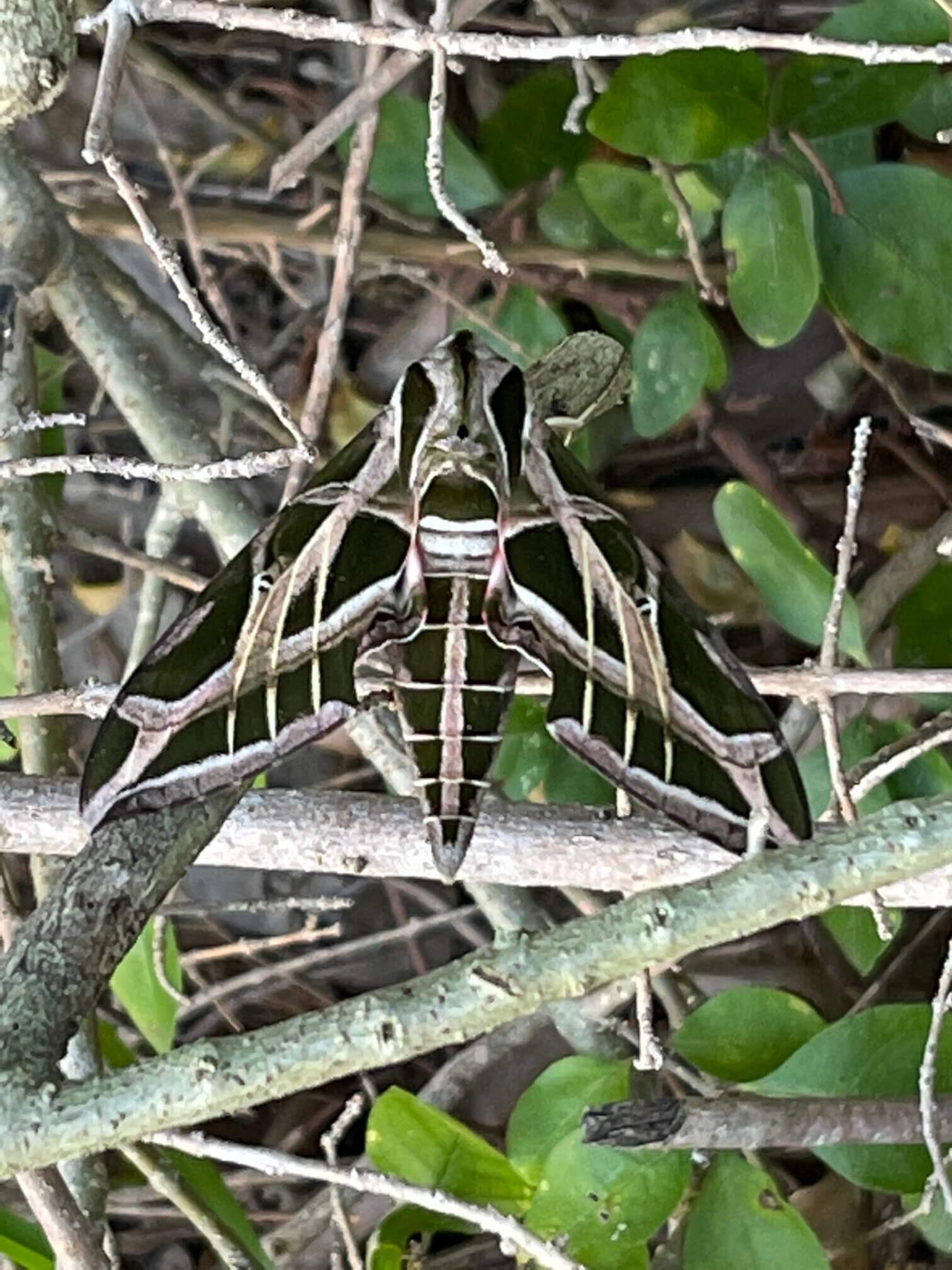
Before you get out your organic bug spray please research all of our Texas pollinators. For example the amazing White-lined sphinx moths will forage on a wide variety of flowers. Their long tongues make them well-adapted to sip nectar from long-necked flowers, and they are common visitors of night-blooming flowers. They are wonderful pollinators to have in your backyard along with many other types of pollinating insects!

Yellow Bells– Esperanza: Be sure and get the actual native Texas variety of this plant Tecoma stans or better yet Tecoma stans var. angustata. Yes, it is great for pollinators. It will freeze back in the winter so you can cut it down to live wood in Spring. This one small maintenance act is a very, vey small price to pay for the years of happy summers with this beauty! Click here for more info!
Black foot daisy: Melampodium leucanthum It can be 110 or even 112 degrees and this beautiful,  mounding, white flowered plant says “Bring it on!” Click here for more info!
Mountain Pinks: One of my very favorite plants. She is a mighty fortress of heat resistance and toleration.
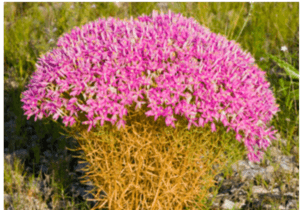 She prefers the worst possible soil AND the highest temps! Caliche, rocks, the side of a cliff! Give her the HEAT and SUN! Toughness personified! Some trucks say Texas Tough. No, she is!!! Yet she is the absolute sweetest lil’ bouquet of pink flowers you’ve ever seen! Summer color! Guaranteed to cheer you up! Click here for more info!
Buy Mountain Pinks seeds HERE Plant them in the fall in terrible soil! Caliche!

Red Yucca: The hummingbirds just love to visit mine. I watch them drink her nectar as I type away at my home office computer desk. It is really in the Century-Plant family! Can grow in the clay soils of Central Texas East of IH 35. Click here for more info!
Dessert Willow: Tough small blooming tree grows to be about 15 to 40 feet tall. I love them and have one in my front yard! Click here for more info!
Texas Mountain Laurel : You will love this evergreen tree in the spring when it puts out the showiest, grape Kool Aid smelling exotic flowers! So beautiful! Highly deer resistant! Sophora secundiflora Click here for more info!
Cup Grass: This is an ornamental grass that provides seeds for the exquisitely beautiful Native Texas Painted Bunting! Click here for more info!
The Wildflower Center says this is highly deer resistant. Click here for more info!
There are more but these are some of my favorite Texas Native Plants that can take the dessert like conditions of my front yard.
Texas Native Plants are not fussy, high maintenance. Texas Native Plants help the environment in so many ways. Attend or Join a Native Plant Society near you today! Learn a LOT! Landscaping Classes too!
More Resources: The Native Plant Society of Texas https://npsot.org/
Painted Bunting singing Click here to watch! … OK- yes, I know, I am obsessed with this beautiful Texas bird!
I just installed this wicking bed in my own yard. If you are not familiar with wicking beds they water plants from below rather than above. They’re basically containers with water at the base and they act like a giant self-watering pot. The moisture is drawn up through the soil via a process called capillary action or wicking.
I love working in my yard. I am a Texas Master Naturalist, and my yard is a Certified Wildlife Habitat. I pride myself in being an organic gardener.


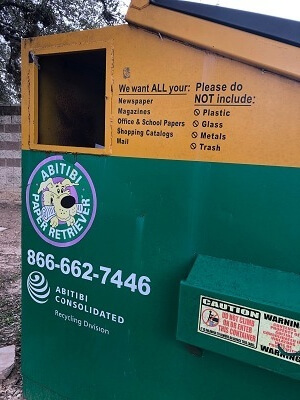
I recycle my household and home office paper at Pleasant Hill Elementary School in Leander. The Abitibi program from the Paper Retriever donates money to the local schools or nonprofit organizations who host their containers. Click Here to see a paper recycling bin near you.
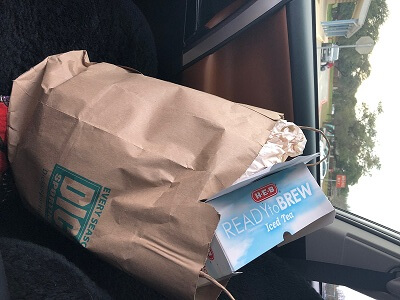
Stretchy plastic film and plastic bags can be recycled in the bin at the entrance to and H-E-B grocery store.
Home Diagnosis is a new science-based TV series coming to your local PBS station in 2019! Home Performance Experts Grace and Corbett Lunsford produced this show to demonstrate the ability of building science to improve the quality of our lives. Green homes and even the typical residential home can benefit greatly from regular reviews of energy, air quality, and other building performance check-ups.
Shot in cities across the U.S. as part of the Proof Is Possible Tour, the show follows Corbett and Grace Lunsford as they solve mystery problems of all types in homes new and old. It’s presented by Georgia Public Broadcasting with post-production by ECG Productions.
Corbett Lunsford realized in 2008 that “construction is unbelievably messy, most pros are over-rushed and under-paid, and homeowners end up suffering in small ways, for their entire lives in a house.” He decided that he would make it his professional goal to package the science of building performance so it can easily be understood and used by professionals and consumers alike, for better buildings worldwide.
In 2009, Lunsford started teaching construction pros through his Building Performance Workshop and he’s hosted over 300 YouTube videos and 80 interviews for the Building Performance Podcast. He wrote the book Home Performance Diagnostics: the Guide to Advanced Testing, and developed the APT Reports software tool.
Lunsford’s techniques can dramatically improve the environmental sustainability of your home. He demonstrates how to find sources of energy loss, leaks, inefficiencies, and better building materials.
Grace Lunsford is the creative force behind Corbett’s videos. She has an active film, TV, and voiceover career. She started her own media firm Sterling Rock Productions because the movies she wanted to see were not being made. She is also active in the acting community in Chicago.
Are you facing unsolved mysteries or challenges with your green home? Betty Saenz would be happy to help you find the right solution. Betty is the expert on environmentally-friendly home solutions and she can help with your home too.
As a Realtor®, Betty Saenz has dedicated her career to improving her clients’ quality of life through better building materials, focus on sustainable construction, preservation, and accessibility. We spend an average of 90% of our lives indoors. By better understanding how our indoor environment impacts our health, we can more effectively address the questions and challenges that come up in Central Texas homes.
Contact Betty Saenz at Betty@BettySaenz.com, or call (512) 785-5050.
Ecotourism is a booming industry in Texas. During this hot time of the year, it’s challenging to stay cool while outdoors. Many Central Texas go swimming and more. Living in the Austin Texas area, I carry on the tradition of heading to the coast for vacations. My grandparents, Oscar and Betty Sandstrom went to Rockport Texas for vacations. But there are many options even closer for cooling off.
This weekend, my family went on a Dolphin Watch Nature Tour in Port Aransas, Texas. Bottlenose dolphins, the genus Tursiops, are the most common members of the family Delphinidae, the family of oceanic dolphin. Port Aransas is about 4 hours away from Austin and is a popular weekend get-away for Central Texans.
“Beaches offer so much more than fun in the sun. Not only do they provide vital habitat for vulnerable sea turtles and migrating birds, they serve as natural coastal buffers, protecting inland communities from storms, flooding and sea-level rise.” says Conservation International.
This remote Gulf Coast seashore is the longest stretch of undeveloped barrier island on Earth and home to some of the best birding opportunities in the country. With only one vehicle entrance at the north end of the park near Corpus Christi and just a few miles of paved roadway, the park’s untamed shores are largely undisturbed by crowds — aside from the clusters of turtle hatchlings that find safe haven there. Park staff recently celebrated the 40th anniversary of their popular public hatchling release program. If you plan a trip next year and want to watch turtle babies make their way to the ocean, you can get details on the park’s “hatchling hotline” at (361) 949-7163.

Inner Space Cavern is a limestone cave system located in Georgetown, Texas. The cave was discovered by the Texas Highway Department in 1963 during the construction of Interstate 35 just north of Austin Texas. There were several large openings to the caverns during the Ice Age, and several skeletons of prehistoric Ice-Age animals have been found in the caverns; many were trapped in the cave after they fell through the opening, unable to escape, and others drowned in thick, quicksand-like mud at the bottom of watering holes. Some filled-in sinkholes have been found, including the prehistoric entrance to the caverns. Several miles of cave passage have been surveyed, with many sections of the cave remaining unexplored, due to filled-in areas blocking passage. The constant 72 degrees is definitely one way to beat the summer heat!
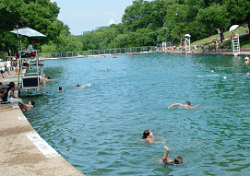
Another historic natural attraction is the Barton Springs Pool. The natural pool is a recreational outdoor swimming pool that is filled entirely with fresh water from nearby natural springs. It is located on the grounds of Zilker Park in Austin, Texas. The pool exists entirely within the channel of Barton Creek and utilizes water from Main Barton Spring, the fourth largest spring in Texas. The pool has been a popular swimming retreat since Europeans first settled in the area, as its temperature hovers between about 68 °F (20 °C) and 74 °F (23 °C) year round.
In 1983, the Texas Legislature created the Veterans Land Board to administer the Veterans Housing Assistance Program also known as the VHAP, to assist Texas Veterans in purchasing a home. Eligible Texas Veterans are able to buy a home with a competitive, low-interest loan with little or no down-payment. Veterans, military members, and their spouses may receive up to $453,100 on a fixed-rate loan for 15, 20, 25 or 30 year terms. Veterans with a VA service-connected disability rating of 30% or greater qualify for a discounted interest rate.
Homes must meet very specific requirements to qualify for the Veterans Housing Assistance Program:
The Veteran Land Board home loan program provides Veterans with other loans, too. It’s possible for a veteran to have one active loan in each program — land, home, and home improvement — at the same time.
Second or even third VLB home loans may be obtained after the first VLB home loan has been paid. The same applies to the land program. All VLB programs are self-funded. They do not use public taxpayer funding. VLB programs are financed with bonds, which are serviced by loan payments from the Veteran participants themselves.
*All VLB interest rates and available discounts are subject to change at any time. VLB Base Rate is subject to adjustment on the first business day of each week. All VLB loans are subject to credit approval.
To be eligible for VLB programs, Veterans, military members, and/or their spouses must be:
For more information about qualifying and obtaining a loan with the Texas Veteran Land Bureau or the Veterans Administration, please contact Betty Saenz at (512) 785-5050 or click here.